
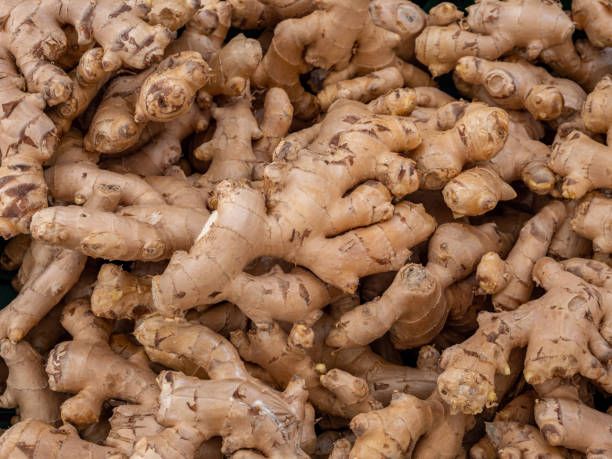
Every year, large quantities of ginger never make it to the market. For one Dutch ginger importer, this means 200 to 300 tons of rejected ginger — roots that are misshapen, damaged, or fail to meet visual quality standards. The costs of this waste are not just financial, but also ecological, as transport, storage, and disposal all leave a footprint.
For Valoric BV, a young company focused on turning waste into value, this challenge sparked a new case study: How can rejected ginger be given a second life?
The Challenge: When Feed Isn’t an Option
As an initial idea, Valoric and the importer explored whether the rejected ginger could be repurposed as animal feed. However, that proved unfeasible. Ginger’s strong, spicy flavor makes it unpalatable for most livestock — they simply refuse to eat it.
“Feed is often the first option when dealing with food waste,” explains [Name], project lead at Valoric. “But in this case, the sharp taste compounds in ginger made that route unsuitable. So we needed to look for a higher-value alternative.”
A Promising Direction: Extracting Ginger Oil
The team then turned its attention to extracting valuable compounds, particularly ginger oil — a natural extract rich in gingerol and shogaol, which give ginger its distinctive aroma and taste. Using sustainable extraction methods, Valoric investigated how efficiently oil could be recovered from the rejected roots.
The results were promising: the extract retained the characteristic spicy-sweet flavor profile of fresh ginger and showed strong potential as a natural flavoring agent for the food and beverage industry.
Why It Matters
Ginger is one of the world’s most popular flavor ingredients, found in everything from ginger-infused drinks and teas to snacks, condiments, and functional health products.
By converting rejected ginger into a high-value extract, Valoric not only reduces waste but also helps importers offset ecological impact and recover value from materials that would otherwise be discarded.
“This collaboration shows how circular thinking can make a real difference,” says [Name]. “Even when conventional uses like feed don’t work, there are always alternative routes that combine sustainability with economic potential.”
Next Steps
Building on the positive results of this study, Valoric aims to refine the extraction process and explore scaling opportunities with industry partners. The long-term goal is clear: to create a circular solution that transforms ginger waste into a sustainable ingredient for the food sector.
For Valoric, every project like this moves the company one step closer to a world where waste isn’t discarded — it’s rediscovered.

